Horatius

In my youth the beauty of poetry was blunted by the pedants who focused on structure rather than substance, attacking what the ancients honored as divine inspiration like boys dissecting a bird in search of the source of its song. One of the few blessings of the past year has been the leisure to allow me to rediscover the emotional impact of well-crafted verse. Now whenever I think of Nana I can’t but recall Macaulay’s Horatius at the Bridge:

“To every man upon this earth

Death cometh soon or late.

And how can man die better

Than facing fearful odds,

For the ashes of his fathers

And temples of his Gods.”

Escape from Alcatraz

Off topic but well worth recalling when the going gets tough: June 11 marks the 58th anniversary of the only successful escape from Alcatraz federal prison. I say “successful” because whatever happened to them, Frank Morris and the Anglin Brothers were never returned to federal custody, and as far as I know the feds are still looking for them. Whether the three men survived the treacherous waters of San Francisco Bay remains an open question, forever muddied by the FBI’s prevarications in the initial investigation. In the years since, the story, like that of Butch and Sundance, has grown barnacles of speculation, rumor and tantalizing but unverifiable clues. Whatever their ultimate fate, the tale of their escape remains an epic of determination, clever improvisation and desperate courage.


Bad Day at Battle Ax

To add a further cautionary note to the previous post on desert travel, here’s another piece from Desert USA that demonstrates how quickly a casual day’s expedition into the back country can turn into a life-or-death adventure. The story is more striking because the author, Jim Hatt, was no inexperienced tourist but a seasoned desert rat who had spent years exploring the Superstitions.  In this case, familiarity bred not contempt for the terrain but feckless overconfidence, leading him to make several mistakes that combined with bad luck (not one but two flat tires!) to cost him a rough 24 hours.

“For every Apache killed, he took many lives.”

I’ve been re-reading Lance Blyth’s Chiricahua and Janos: Communities of Violence in the Southwestern Borderlands, 1680-1880. It offers fresh insights into the Apache Wars from the perspective of the people of northern Mexico.

I hope to have more to say about the book’s overall theme in a future post, but first I want to focus on the short passage (p. 196) devoted to Nana’s Raid. Blyth adds a couple of interesting details, noting that Mata Ortiz was in pursuit of the raiders when they crossed the border. Presumably the Mexicans had taken the field in response to the attacks on the surveying party and other travelers along the Chihuahua Road as the raiders set out from the Sierra Madre at the end of June.

Beyond that, Blyth offers precise statistics on the raid: seven fights, 12 ranches and towns attacked, five soldiers and 30 civilians killed and “at least” 25 wounded.

He doesn’t specify these events so I don’t know if he counts the cluster of ranches around Garcia and the tent camp of Gold Dust and (possibly) an attack on Seboyeta as towns, but certainly the raiders struck at least a dozen ranches. I would list eight encounters as fights involving U.S. military personnel or civilian possemen: Alamo Canyon, the San Andres Mountains, Red Canyon, Monica Spring, Carrizo Canyon, the Cuchillo Negros, Wild Horse Canyon and Gavilan Canyon.

I count 8 soldiers and 64 civilians killed in New Mexico Territory by Nana and his raiders, another 25 wounded (some so badly they never fully recovered) and 14 taken captive – only about half of those ever reported recovered.

Whatever the exact count, we can all agree with Kaywaykla that, “Usen had not commanded that we love our enemies. Nana did not love his; and he was not content with an eye for an eye, nor a life for a life. For every Apache killed, he took many lives.”

Bad Juju

Little early for Halloween chills, but there’s a great piece in DesertUSA on “Desert Shamans and Sorcerers.” Reading about the evil Tahquitz makes me want to visit his canyon sometime, or maybe just watch for him strolling the streets of Palm Springs. The Cahuilla roamed the desert west of the Colorado River, but their beliefs differ only in detail with the Navajo and Apache as well as the more settled Pueblo and Hispanic people farther east. All believe in witchcraft in one form or another.


Que Macho!

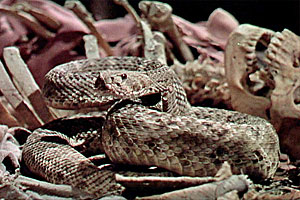
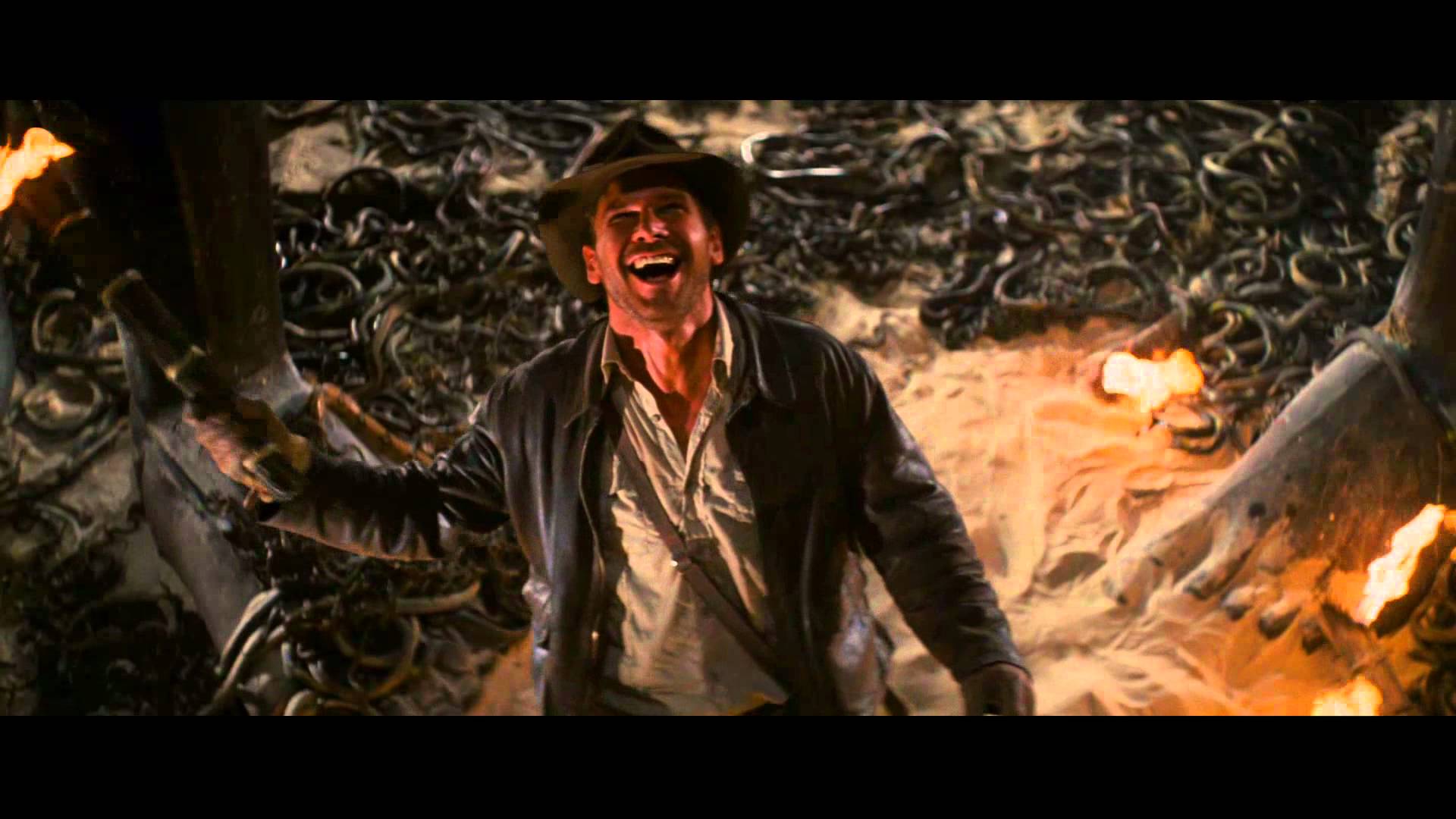
Left over from my recent trip to AZ/NV,  here’s the story of one very tough old man Nana would have appreciated. His adventure reads like a page out of True Grit, and I can’t help but admire his cojones even as I have to question his good sense. Exploring abandoned mines is a very dangerous hobby and rappelling down into an old shaft solo borders on the suicidal. Years ago I spent some time tagging along with the state’s Abandoned Mine Lands team surveying the country around Madrid, Golden and Hagan south of Santa Fe. There are at a minimum several hundred and by most estimates a thousand or more abandoned mines in the state, ranging from extensive underground complexes like the labyrinth under Madrid to rough prospect holes scratched a dozen or a hundred feet under the surface. These doghole miners never heard of today’s mine safety regs and they likely would have paid no attention to them if they had. What sketchy shoring  they put in place they salvaged as they pulled out. Another danger, as the Arizona guy discovered, is that the old shafts and nearby building foundations attract snakes. One of my archeologist acquaintances described the ruins of Hagan as a scene out of Raiders of the Lost Ark.  The only thing worse than being trapped in a cave-in, in my nightmarish imagination, would be to be trapped in the dark with a den of buzzworms for company.